Heart Failure Management: Optimizing Patient Care Through Guideline-Directed Medical Therapy
Clinical insights | Real-world expertise | Evidence-based learning
Meet our Global Experts

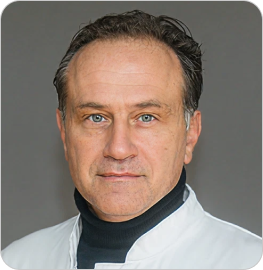
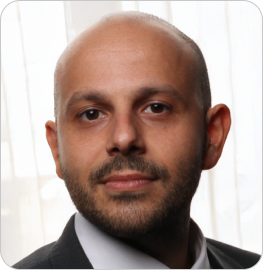
Prof. Clara Saldarriaga

Prof. Gianluigi Savarese

Dr. David Sim

Prof. Carsten Tschöpe

Dr. Shelley Zieroth
Prof. Clara Saldarriaga
Prof. Gianluigi Savarese
Dr. David Sim
Prof. Carsten Tschöpe
Dr. Shelley Zieroth
If you attended e-SPACE HF 2025, the e-SPACE GDMT Implementation Program is your next step.
That event delivered the latest science, this program teaches you how to apply it.
The e-SPACE GDMT Implementation Online Educational Program focuses on how to start, intensify, and optimize GDMT for every eligible HF patient, while overcoming the common barriers that slow treatment, particularly in patients who appear “stable” or live with multiple comorbidities.
You’ll learn how to tailor GDMT for special populations, including frail older adults, patients with chronic kidney disease or low blood pressure, and those facing socioeconomic challenges, to improve outcomes across the full spectrum of heart failure.
Simple. Practical. Real-world HF care
Learning Objectives Covered in This Program
Participants will be able to:
- Define the components of guideline-directed medical therapy (GDMT) for patients for heart failure and review the evidence supporting early initiation of GDMT into clinical practice to improve patient outcomes.
- Review the rationale for implementing high-intensity guideline-directed medical therapy (GDMT) across the full spectrum of ejection fraction in heart failure.
- Apply best practices for the diagnosis and implementation of GDMT in patients with heart failure who are frail or at-risk of frailty.
- Apply best practices for the assessment and implementation of GDMT in patients with heart failure and chronic kidney disease.
- Apply best practices for the assessment and implementation of GDMT in patients with heart failure and low blood pressure.
- Apply best practices for the assessment and implementation of GDMT in patients with heart failure with preserved ejection fraction (HFpEF).
- Apply best practices for identifying and addressing socioeconomic barriers to the implementation of GDMT in patients with heart failure.
Applied GDMT in Heart Failure Management: Optimizing Patient Care
Clinical insights | Real-world expertise | Evidence-based learning
Meet our Global Experts

Prof. Gianluigi Savarese

Dr. David Sim

Prof. Clara Saldarriaga

Dr. Shelley Zieroth
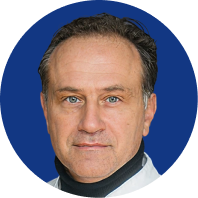
Prof. Carsten Tschöpe
Prof. Gianluigi Savarese
Dr. David Sim
Prof. Clara Saldarriaga
Dr. Shelley Zieroth
Prof. Carsten Tschöpe
Heart failure (HF) remains a major clinical challenge, requiring timely and effective management to improve patient outcomes. This educational program is designed to equip clinicians with the knowledge and strategies necessary to initiate and optimize high-intensity guideline-directed medical therapy (GDMT) in all eligible patients. A key focus is addressing clinical inertia, particularly in patients often perceived as “stable” or those with comorbidities, as well as individuals facing challenging situations.
Additionally, this program emphasizes the importance of tailoring HF management to meet the needs of special populations, including frail older adults, patients with multiple comorbidities, and those affected by socioeconomic barriers such as limited healthcare access in rural areas. By implementing best practices and a proactive, patient-centered approach, clinicians can enhance care delivery and improve long-term outcomes for all patients with HF.
Learning Objectives Covered in This Module
- Define the components of guideline-directed medical therapy (GDMT) for patients for heart failure and review the evidence supporting early initiation of GDMT into clinical practice to improve patient outcomes.
- Review the rationale for implementing high-intensity guideline-directed medical therapy (GDMT) across the full spectrum of ejection fraction in heart failure.
- Apply best practices for the diagnosis and implementation of GDMT in patients with heart failure who are frail or at-risk of frailty.
- Apply best practices for the assessment and implementation of GDMT in patients with heart failure and chronic kidney disease.
- Apply best practices for the assessment and implementation of GDMT in patients with heart failure and low blood pressure.
- Apply best practices for the assessment and implementation of GDMT in patients with heart failure with preserved ejection fraction (HFpEF).
- Apply best practices for identifying and addressing socioeconomic barriers to the implementation of GDMT in patients with heart failure.
Faculty
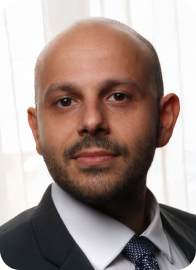
Prof. Gianluigi Savarese
Karolinska Institutet, Stockholm
Gianluigi Savarese is an Italian/Swedish cardiologist, currently Associate Professor of Cardiology and Senior Lecturer at Karolinska Institute (Department of Clinical Science…



Dr. David Sim
National Heart Centre, Singapore
Dr. David Sim is the Head and Senior Consultant in the Department of Cardiology, Director of the Heart Failure Program, and Director of Clinical Trials at the National Heart Centre Singapore…

Prof. Clara Saldarriaga
University of Antioquia, Medellín
Prof. Clara Saldarriaga, FESC-FACC, is a Professor of Cardiology at the University of Antioquia and Head of the Cardiology Program at Pontificia Bolivariana University in Medellín…

Dr. Shelley Zieroth
University of Manitoba, Winnipeg
Dr. Shelley Zieroth joined the Section of Cardiology at St. Boniface Hospital in Winnipeg in July 2006. She is currently a Professor in the College of Medicine, Max Rady Faculty …
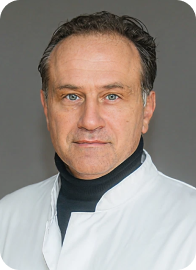
Prof. Carsten Tschöpe
Charité University Hospital, Berlin
Prof. Dr. Carsten Tschöpe is a leading cardiologist and researcher, specializing in heart failure, myocarditis, and cardiomyopathies. He heads the Clinical Cardiomyopathy Unit…